What Does Bush Hogging Cost per Acre in Mississippi?
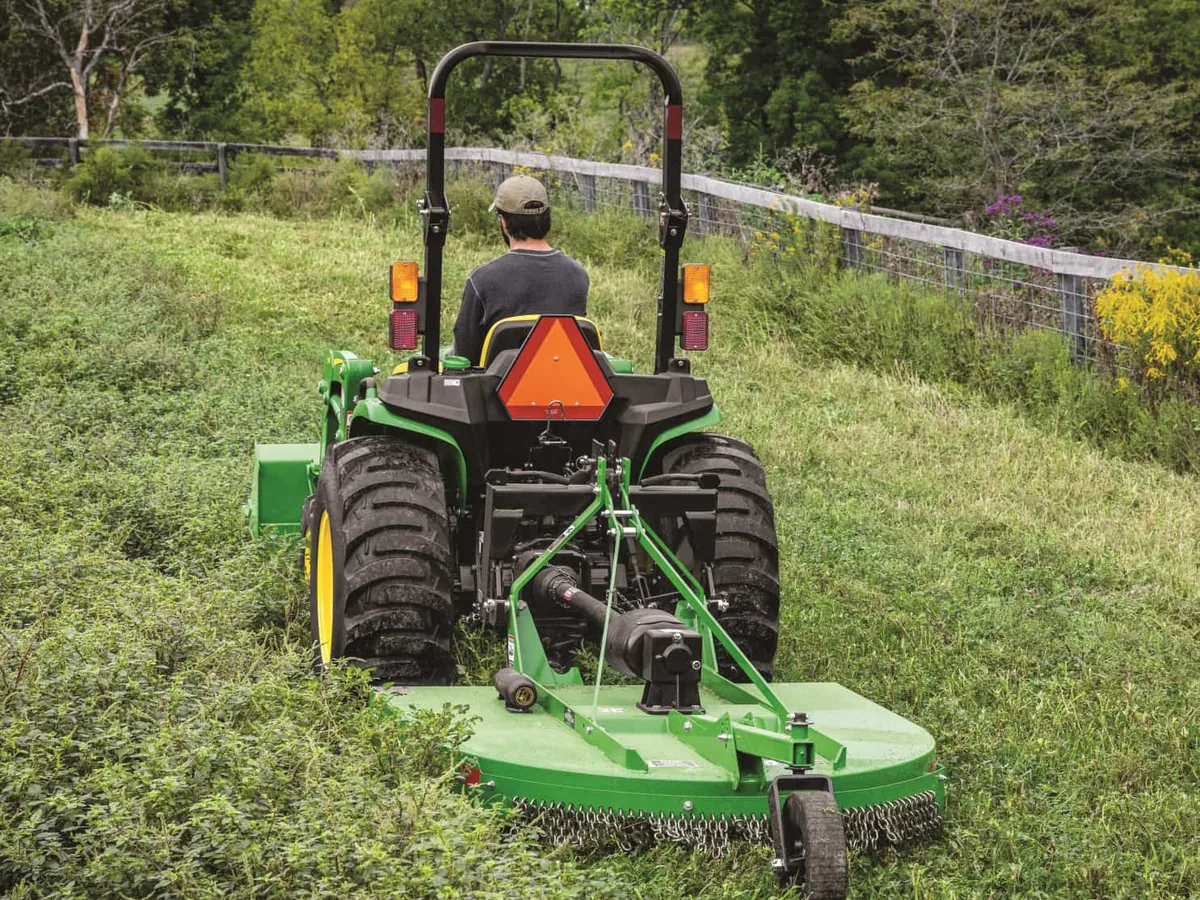
Bush hogging cost per acre in Mississippi depends on who does the cutting. In a 2024 MSU Extension survey of farm custom rates, producers reported $20 to $25 an acre. A national lawn-care marketplace guide puts open pasture at about $100 an acre.
By the hour, the MSU survey ran $30 to $125, with a $72 average. The national guide sets a tractor with a 6-foot cutter at $85 to $120 an hour. Heavy growth and a job minimum push the price up from there.
These are market numbers, not our price list. We are based in Waynesboro in Wayne County and do bush hogging for pasture and fence lines across southeast Mississippi. Some people call it brush hogging or field mowing, and the price logic is the same.
How do Mississippi farm rates compare with national numbers?
MSU Extension economists surveyed producers across the state in the spring and summer of 2024. The sample for bush hogging is tiny. Only 2 producers gave a per-acre price, and 5 gave an hourly one.
The national guide was last updated in August 2026. It says its ranges are based on contractor surveys and Extension data. Every figure in the table is a market number, not our price list.
| Line item | Market number | Source |
|---|---|---|
| Per acre, farm custom rate | $20 to $25, average $22.50 (2 answers) | MSU Extension survey, 2024 |
| Per hour, farm custom rate | $30 to $125, average $72 (5 answers) | MSU Extension survey, 2024 |
| Per acre, open pasture | About $100 | National lawn-care marketplace guide |
| Per hour, tractor with a 6-foot cutter | $85 to $120 | National lawn-care marketplace guide |
| Minimum charge | 2 to 3 hours, or a flat show-up fee | National lawn-care marketplace guide |
| Your own cutter, for comparison | $7.64 an acre, $68.76 an hour | MSU planning figures |
The last row is MSU’s cost for a farmer who owns the cutter and uses it on the farm. It counts ownership plus fuel and labor. A custom rate has to cover that cost and leave some return on top. The survey also notes that custom rates are often negotiable.
Why do national numbers run higher than farm rates?
Per acre, the gap is wide. By the hour, the two ranges overlap. Custom work is hired farm work, often one farmer cutting for another. Earlier reports suggested a markup of 20 to 40 percent above the cost of running the equipment.
The national guide comes from a survey of lawn-care pros setting their own rates. Many of them set a 2 to 3 hour minimum or a flat show-up fee, it says. That covers hauling and setup, plus the risk of hitting something that breaks a blade.
A minimum lands hardest on small jobs. At the guide’s pace, a 2-acre lot may cut in under an hour and still pay a 3-hour minimum.
What moves the price of bush hogging per acre?
- What is growing. Retired fields cost less per acre than ground thick with small woody stems, per MSU Extension. The national guide adds surcharges for heavy growth.
- Pace. In perfect conditions, the guide says a 6-foot cutter covers about 2.4 to 3 acres an hour. Real fields are often slower, and 1.5 to 2 acres an hour calls for a higher per-acre price.
- What hides in the grass. A field left alone for years can hide old fence wire and junk piles. The guide prices open fields by the acre and obstructed or uncertain ground by the hour.
- Slopes and creek bottoms. Wayne County’s most common soil, Smithdale, sits on ridge tops and hill slopes, per NRCS. Bibb creek bottoms keep the water table within 8 inches of the surface 6 to 11 months a year. The guide says rocks, slopes or debris push rates toward the upper end of its range.
- Size and the trip. Every job pays to bring the machine in. Big tracts spread that cost over more acres, and the guide notes lower pricing at scale.
When is a bush hog the wrong tool?
A bush hog cuts grass, weeds and small woody stems near the ground, per MSU’s forestry site prep publication. Older, larger woody stems call for another form of mowing, mulching or shredding, with specialized equipment.
Growth that size is a job for forestry mulching with a mulching head. In the same national guide, forestry mulching runs $400 to $800 an acre. Our guide to mulching versus dozer clearing covers when each one fits.
MSU also says mowing does not typically kill what it cuts, and mown vegetation regrows. Very little soil gets disturbed, so mowing cannot fix compaction or drainage problems.
A new pasture or a building site needs the stumps and roots out. That is land clearing with a dozer and root rake. A house site then moves on to site prep for the house pad. For those prices, see land clearing cost per acre.
Can bush hogging spread cogongrass?
It can. The Mississippi Forestry Commission says cogongrass is typically spread by wind, vehicles, equipment, animals and contaminated soil. In the Midsouth it usually shows up on non-cultivated sites, including pastures.
Mowing takes only the top growth. The Commission says it opens the canopy for seedlings and new stems from rhizomes. Cogongrass flowers in spring, typically March to May, and it can also flower after mowing.
Point out any patch before the cut. Ask that the equipment be cleaned before it moves to the next tract. MSU’s custom-rate survey lists field contamination of weeds or insects as a risk of hired work.
When is the best time to bush hog in Mississippi?
On hunting land, the calendar comes from the birds. An MSU Extension habitat page says mowing is used mainly for bobwhite quail and wild turkey. Mowing grasses in late winter (February) and late summer (August) draws insects that young birds need, it says.
Nesting season is the stretch to plan around. MSU Extension’s bobwhite publication says the breeding season often lasts more than 150 days, with peak hatch around mid-July. Predators, farm machinery or weather destroy about 55 to 70 percent of nests. Where quail come first, it says to mow only to control brush or to keep roads open. Its rabbit publication goes further: if you must mow, wait until nesting season has ended in October, and avoid mowing entire fields.
What should a written bush hogging quote cover?
The national guide tells pros to spell out debris removal, rocks, slopes, re-cuts and off-haul in advance. Check that your quote names:
- The acres to cut and the edges of the cut.
- What is growing, and any part that needs the mulching head instead.
- Known hazards, such as wire, stumps, holes, junk piles or a cogongrass patch.
- How it is priced, by the acre or by the hour, and any minimum.
- One cleanup cut, or seasonal mowing as the growth comes back.
- What the field looks like when the job is done.
How do you get a price for your own field?
Your own price depends on what grows in the field and what hides in it. See how we handle bush hogging for pasture and fence lines, with one-time cleanups and seasonal mowing.
We look at the site, or you send photos and a pin, and we put the quote in writing. Call or text (601) 410-5339, or use the form below.